Shower Enclosure Options for a Walk-In Shower: Frameless Glass, Sliding Doors, or No Door at All
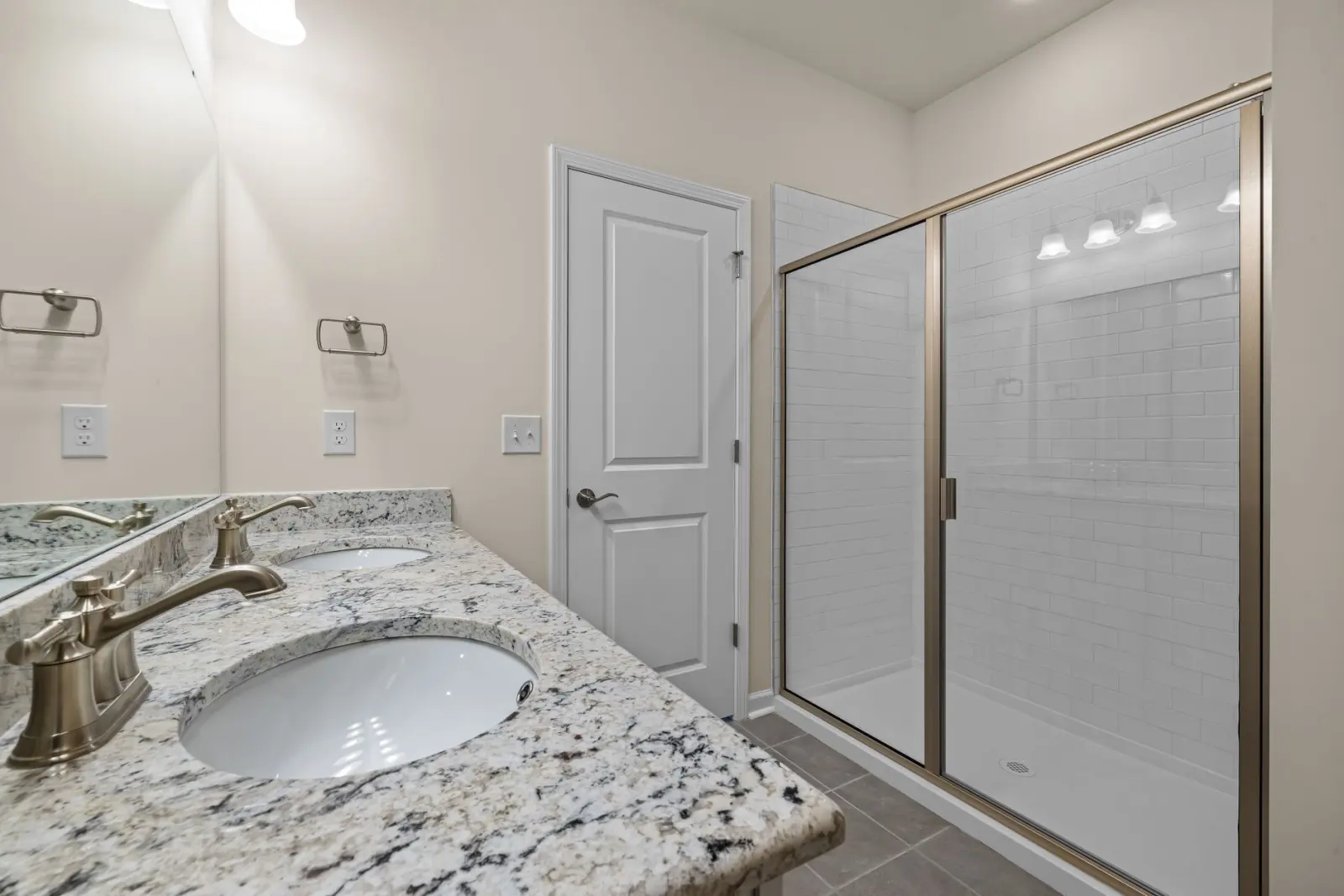
Once you've decided between a tub-to-shower conversion or a straightforward shower replacement, there's a second decision that gets a lot less attention but has just as much impact on how the finished bathroom looks and functions day to day: what goes on the opening. Frameless glass, a sliding door, or no door at all each change the price, the maintenance, and how the shower fits into the rest of the room. Here's how Maryland homeowners typically sort through the options.
Frameless Glass: The Look Most People Want
Frameless glass enclosures are the most requested option for a new walk-in shower, and it's easy to see why. Without metal framing around the glass panels, the shower reads as part of the room instead of a separate box bolted onto it. That matters more in smaller bathrooms, where a bulky framed door can make the whole space feel tighter than it is.
The tradeoff is maintenance. Glass shows water spots and soap film faster than a tiled wall does, so a squeegee after each shower becomes part of the routine for anyone who wants to keep it looking clean. Frameless glass is also typically the higher end of the enclosure options, since it uses thicker tempered glass and more substantial hardware to stay rigid without a frame holding it together.
Hinged vs. Fixed Panel Layouts
Within frameless glass, the layout matters as much as the glass itself. A single hinged door on a fixed panel works well for most standard shower footprints. Larger or oddly shaped showers sometimes need a combination of fixed panels and a pivoting door, which costs more but avoids the compromises of trying to force a standard door kit into a non-standard opening.
Sliding Doors: Practical for Tight Spaces
Sliding doors solve a problem frameless hinged doors can't: they don't need swing clearance. In a bathroom where the vanity or toilet sits close to the shower opening, a door that swings outward can be awkward or even unsafe to navigate around. A sliding door stays within the footprint of the shower itself, which is why it shows up so often in older Maryland homes with smaller original bathroom layouts.
The compromise is the track. Sliding doors run on a bottom track that has to be cleaned regularly or it collects hair, soap residue, and mineral buildup from hard water, which is common across much of Maryland. It's not a dealbreaker, but it is a maintenance step that frameless hinged doors and curbless showers don't require.
No Door at All: The Curbless, Open Shower
Skipping the door entirely has become one of the more popular requests we get, and not only from homeowners planning ahead for mobility needs. An open, curbless shower with a properly sloped floor and a half-wall or single glass panel to contain splashing gives a clean, modern look and removes glass cleaning from the maintenance list altogether.
This option takes more planning than swapping in a new door on an existing opening. A curbless shower needs the subfloor reworked to create the right drainage slope, and the plumbing and framing underneath an old tub are rarely set up for it without some adjustment. It's a bigger scope of work, which is why it's usually discussed as part of a full tub-to-shower conversion rather than a simple door swap. For anyone thinking about aging in place or making the bathroom usable for a family member with limited mobility, it's also worth looking at what a dedicated accessible bathroom layout can do beyond just the shower entry.
Half-Wall and Knee Wall Options
A middle ground between a full glass enclosure and a completely open shower is a half-wall, sometimes called a knee wall, paired with a single glass panel on top. It contains water without the cost or maintenance of a full enclosure, and it gives the room a defined shower area without closing it in. This works especially well in bathrooms where the shower sits along an exterior wall or in a corner, since the half-wall can double as a visual anchor for the rest of the layout.
Curtains: Still a Reasonable Choice
A shower curtain doesn't get much attention in remodeling conversations, but it's still a legitimate option, particularly for a rental property, a secondary bathroom, or anyone prioritizing budget over glass. Curtains are the easiest to replace if the look gets dated or the fabric wears out, and they add zero maintenance beyond regular washing. The downside is obvious: they don't have the same resale appeal or finished look as glass, and most homeowners doing a full remodel choose to pair their new shower with at least a glass panel.
What Actually Drives the Decision
In practice, the choice usually comes down to three things:
- Bathroom layout. Tight clearance around the shower opening points toward a sliding door or no door; more open floor space makes a hinged frameless door practical.
- Who uses the bathroom. A household planning for aging in place or a family member with mobility limitations usually leans toward curbless, no-door designs.
- How much upkeep you want. Glass looks the best on day one but needs the most regular cleaning; a half-wall or curbless design trades a little bit of that polished look for less maintenance over time.
None of these are wrong answers — they're tradeoffs, and the right one depends on how the bathroom actually gets used, not just how it photographs. During a walk-through, we'll measure the actual opening, look at what's feasible given the existing plumbing and framing, and walk through enclosure samples so you can see the options in person before committing to one.
Getting It Right the First Time
Enclosure hardware isn't something you want to swap out again in a year or two, so it's worth deciding on it early in the project rather than as an afterthought once the shower pan and walls are already installed. Our process walks through these choices during the design phase specifically so there are no surprises on installation day.
Ready to see what the right shower enclosure could look like in your bathroom? Schedule your free in-home consultation and get a locked-in quote — no pressure, no obligation.