What's Actually Covered Under a Bathroom Remodel Warranty (and What to Ask Before You Sign)
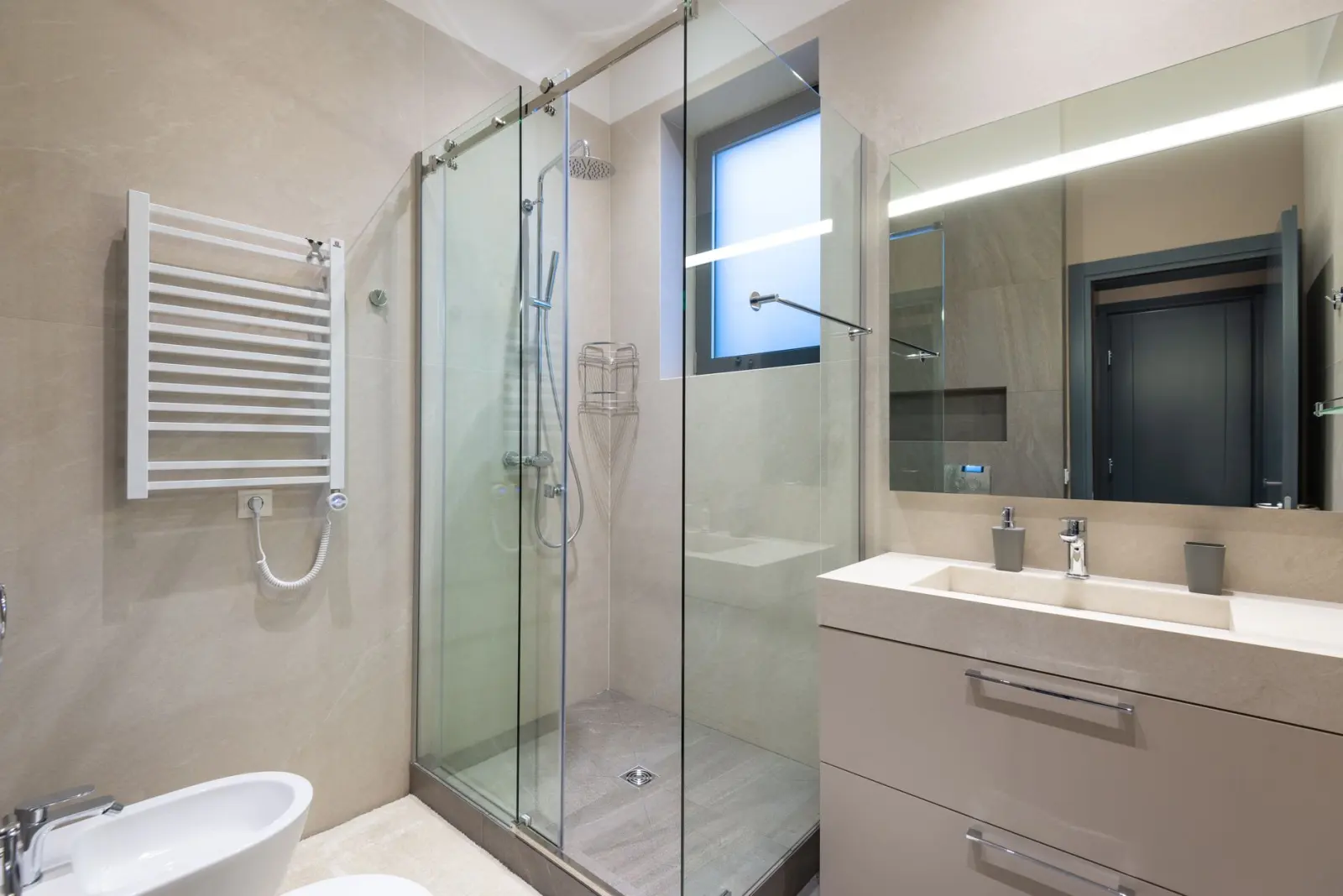
When you're comparing bathroom remodeling quotes, it's easy to focus entirely on price, materials, and how fast the job can be done. The warranty section of the contract often gets a quick skim at best — until something goes wrong two years later and you're trying to figure out who's actually responsible for fixing it. Understanding what a warranty covers, who backs it, and what voids it is just as important as picking the right tub or shower, because it determines what happens after the crew leaves your driveway.
Why the Warranty Matters More Than It Seems
A bathroom remodel isn't just a cosmetic upgrade — it's a wet, high-use space where small installation mistakes can turn into real problems. A seal that wasn't set correctly, a drain that wasn't pitched right, or a panel that wasn't fastened to the studs properly might not show up as a leak or a loose fixture until well after the job is "done" and paid for. The warranty is what determines whether that kind of issue gets fixed for free or becomes a homeowner's problem to solve on their own, often by calling a different contractor entirely.
It also tells you something about how a company views its own work. A contractor confident in their materials and installation process is generally willing to put real coverage behind it. One that's vague about warranty terms, or only offers a short window on labor, may be telling you something about how long they expect the installation to hold up.
The Two Different Warranties You're Actually Getting
Most bathroom remodels come with two separate layers of coverage, and it's worth knowing the difference before you sign anything:
Manufacturer's Warranty (the Materials)
This covers the physical products — the tub, shower base, wall panels, doors, and fixtures — against defects in the material itself. If a panel cracks because of a manufacturing flaw, that's typically a manufacturer's warranty claim, and it's handled through whoever made the product, not necessarily the company that installed it.
Workmanship or Labor Warranty (the Installation)
This is the coverage that matters most day to day, because it's what protects you if the problem comes from how the job was installed rather than from the product itself — things like sealant failing around a seam, a fixture that was never properly secured, or water getting behind a wall panel because of a gap that should have been sealed. This is the warranty that's backed by the contractor, not the manufacturer, which is why it's worth knowing exactly who's standing behind it and how established that company actually is.
What a Warranty Typically Covers — and What It Usually Doesn't
Coverage varies by company and by product line, so it's never safe to assume a warranty works the same way everywhere. That said, there are some general patterns worth understanding before you compare quotes:
- Usually covered: defects in the tub, shower base, or wall material itself; installation errors that cause leaks, loose fixtures, or seal failures within the warranty period.
- Often excluded or limited: damage from something other than the remodel itself — a plumbing issue unrelated to the install, normal wear on fixtures over many years, or damage caused by cleaning products that weren't recommended for the surface.
- Frequently tied to conditions: some warranties require the work to have been fully paid for, or require any repairs or modifications to be done by the original installer rather than a different contractor, in order to stay valid.
None of this means every warranty is the same, or that you should assume the worst. It means you should actually read the document rather than taking "it's fully warrantied" at face value.
Questions Worth Asking Before You Sign Anything
A short conversation before the contract is signed can save a lot of frustration later. Some useful questions to bring to any estimate, whether it's for a tub-to-shower conversion or any other bathroom project:
- Is the labor warranty separate from the manufacturer's warranty, and how long does each last?
- Who do I actually call if something goes wrong — the installer or the manufacturer?
- Does the warranty transfer if I sell the house, or is it tied to the original homeowner?
- What would void the warranty — using certain cleaning products, hiring someone else for a repair, a specific type of damage?
- How long has this company been doing installations in Maryland, and will they realistically still be around if I need to make a claim in a few years?
That last question matters more than people expect. A warranty is only as good as the company standing behind it. A long warranty period from a contractor that's been in business a short time, or one that subcontracts the installation out to whoever's available, is a different kind of promise than the same warranty from a company with an established local track record.
How Warranty Coverage Connects to the Installation Process
A warranty isn't really a separate thing from the installation — it's a reflection of it. The steps a crew takes during the installation process, from how a base is leveled to how seams are sealed, are exactly the things that determine whether a workmanship warranty ever has to be used in the first place. Homeowners evaluating a company are often better served by asking how the installation is actually done than by comparing warranty lengths side by side, since a shorter warranty on a carefully installed bathroom can hold up better than a longer one on a rushed job.
If you want to see the specifics of what's covered on a Transform Bath Solutions installation, the details are laid out on our warranty page, and you can read more about who we are and how long we've been doing this work on our about page.
The Bottom Line for Maryland Homeowners
A warranty won't make a decision for you, but it should be part of the decision. When you're comparing estimates for a bathroom remodel, take the time to ask what's covered, for how long, and by whom — the same way you'd ask about materials, timeline, or scope of work. It's a small amount of extra effort upfront that can save you a much bigger headache down the road if something doesn't hold up the way it should.
Ready to see what a new bathroom could look like in your home? Schedule your free in-home consultation and get a locked-in quote — no pressure, no obligation.