How to Pay for a Bathroom Remodel in Maryland: Financing Options Explained
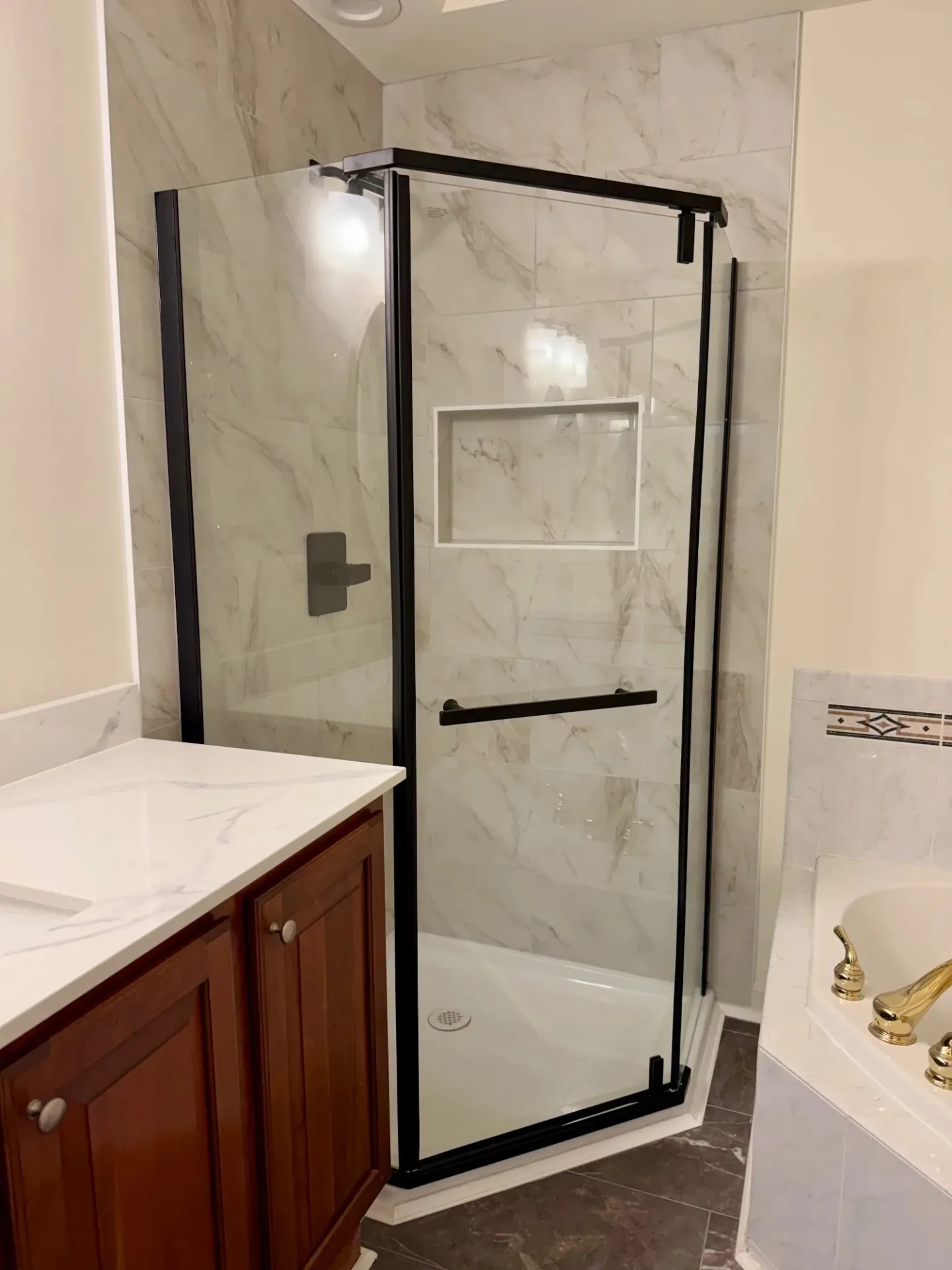
Once a Maryland homeowner has settled on the scope of a bathroom project — say, a tub-to-shower conversion or a full walk-in shower build — the next question is almost always the same: how do you actually pay for it? Some homeowners write a check and move on. Most don't, and that's not a bad position to be in. There are several legitimate ways to finance a bathroom remodel, and understanding how each one works helps you walk into a quote conversation with a clear sense of what fits your situation.
Why Financing Comes Up for Almost Every Remodel
A bathroom remodel is a big enough expense that most households don't have it sitting in a checking account earmarked for exactly this purpose. That's true whether the project is a straightforward acrylic conversion or a larger tiled shower with new plumbing. It's also not unusual for a remodel to become urgent rather than planned — a tub that's been leaking for months, a slip-and-fall scare, or a bathroom that's simply become unsafe to use. In those cases, financing isn't a luxury; it's what makes the timeline realistic. Knowing your options ahead of time, before you're in a rush, puts you in a much better spot than trying to figure it out after a problem forces the issue.
Home Equity Loans and HELOCs
For homeowners who've built up equity, a home equity loan or a home equity line of credit (HELOC) is one of the more common ways to fund a remodel. A home equity loan gives you a lump sum up front with a fixed repayment schedule, which works well when you know the full project cost going in. A HELOC works more like a credit line against your home's equity — you draw what you need, when you need it, which can be useful if the scope of the project might expand once the contractor opens up the wall and sees what's behind the tub.
The tradeoff with both is that your home secures the loan, so it's worth being realistic about what you can comfortably repay before signing anything. Rates, terms, and how much equity a lender will let you borrow against all vary by lender and by your individual financial picture, so this is a conversation to have directly with your bank or credit union rather than something to estimate from a blog post.
Personal Loans and Contractor Financing Plans
If you don't want to borrow against your home, an unsecured personal loan is the other common route. These typically come with a fixed monthly payment and a set payoff date, which makes budgeting simple even though the process usually involves a credit check and, depending on your credit profile, a higher rate than a home-secured loan.
Many remodeling companies, including ours, also offer financing plans arranged through third-party lenders specifically for home improvement projects. These plans are built around the kind of project you're financing, so the application is usually more straightforward than a general-purpose loan, and approval decisions tend to come back quickly. If this is a route you're considering, it's worth asking about during your consultation rather than after you've already committed to a scope and start date — see our financing options page for what's currently available and how the application process works.
Credit Cards: When They Make Sense (and When They Don't)
Credit cards are the fastest way to pay for something, but they're generally a better fit for smaller pieces of a project than for the whole remodel. A card with a 0% introductory rate can work well if you're confident you'll pay off the balance before that period ends — otherwise the interest can add up quickly and erase any convenience the card offered. Where a card tends to make the most sense is covering a smaller add-on, like an upgraded showerhead or a glass door option, on top of a larger remodel financed a different way.
What Affects How Much You'll Need to Finance
Before you can pick a financing option, it helps to have a realistic sense of the project itself, because the scope drives the number. A few things that move the total:
- The type of project. A defined-scope acrylic tub-to-shower conversion is a different investment than a custom tiled shower built from the studs out.
- What's behind the wall. Older Maryland homes — from Baltimore rowhomes to Howard County colonials — sometimes need plumbing or subfloor work once the old tub comes out. This isn't something a contractor can predict from a photo; it's part of why an in-home visit matters.
- Accessibility features. Grab bars, a built-in bench, a low or zero-threshold entry, and similar additions each affect the final scope.
- Glass and finish choices. A framed sliding door and a frameless enclosure aren't priced the same, and neither are different wall panel finishes.
An accurate number comes from a real measurement of your bathroom, not a generic estimate — which is exactly what an in-home consultation is for. Our breakdown of tub-to-shower conversion costs walks through these factors in more detail if you want to think through scope before you talk financing.
How to Compare Financing Offers Without Getting Overwhelmed
If you're weighing more than one option, a few questions cut through most of the noise. Is the rate fixed or variable, and how does that change your monthly payment over time? Is there a prepayment penalty if you want to pay it off early? What's the full length of the term, and does that match how long you actually want to be paying for this project? And if it's a promotional rate, what does the rate become once the promotional period ends? Lenders and financing partners can answer all of these directly, and it's worth asking before you sign rather than after.
It also helps to line up your financing conversation with your project timeline. Our remodeling process starts with an in-home consultation and a firm quote, which gives you a real number to bring to a lender instead of guessing. That way, by the time you're ready to schedule the work, the financing side is already sorted out rather than holding up the start date.
Putting It Together
There's no single right way to pay for a bathroom remodel — the best option depends on how much equity you have, how quickly you want the project done, and how you'd rather structure the payments. What matters most is figuring out the scope and getting a real quote first, so whatever financing route you choose is based on an actual number for your bathroom rather than a rough guess pulled from somewhere else.
Ready to see what a new bathroom could look like in your home? Schedule your free in-home consultation and get a locked-in quote — no pressure, no obligation.