Bathtub Liner vs. Full Bathtub Replacement: What's the Real Difference?
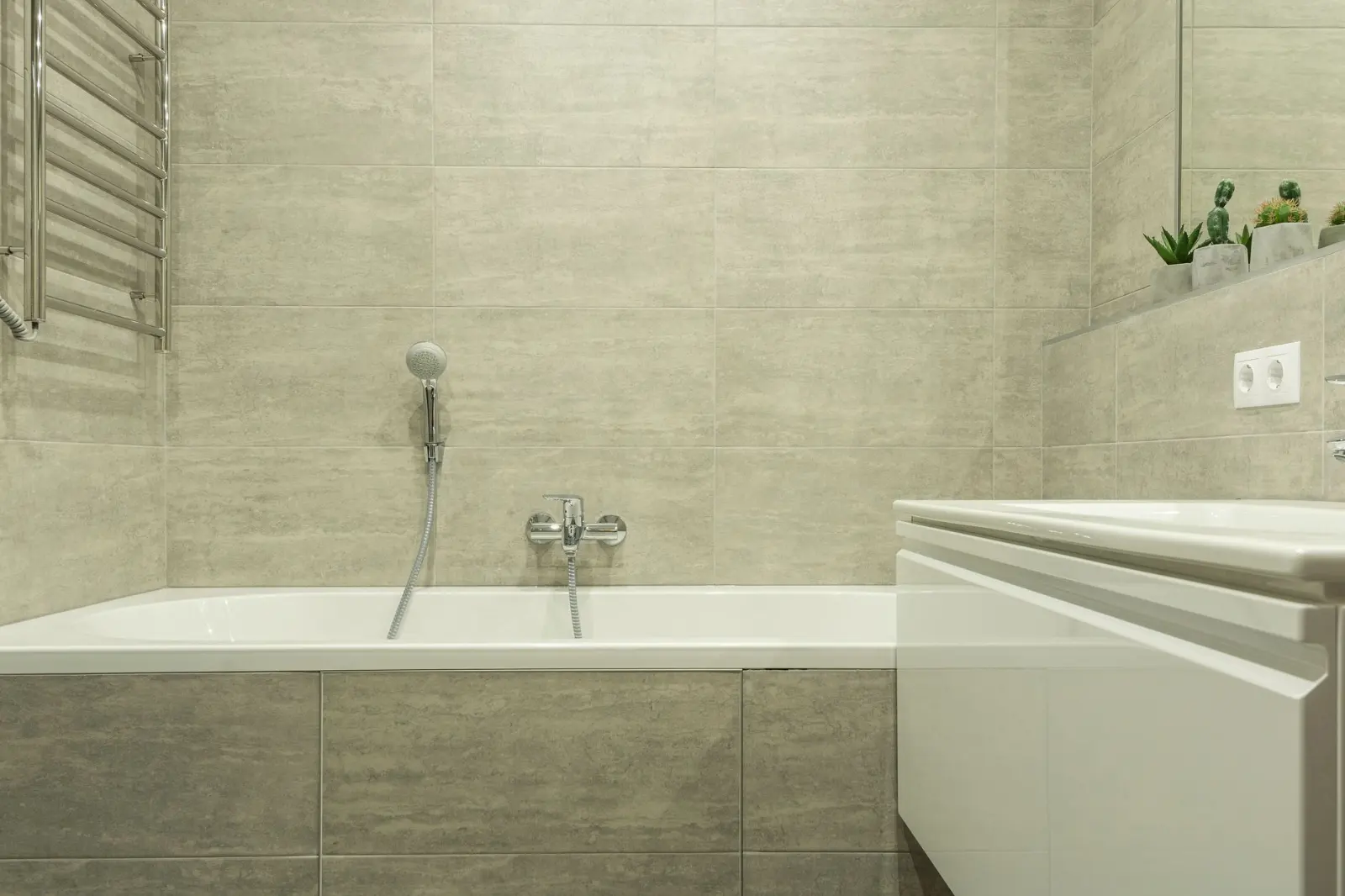
If your bathtub is cracked, dull, or just outdated, you've probably come across two very different paths forward: a bathtub liner dropped in over the old tub, or a full bathtub replacement that takes the old one out completely. The marketing for both can sound similar, but the actual work, the materials, and how long the result lasts are not the same thing. Here's what separates them so you can figure out which one actually fits your bathroom and your budget.
What a Bathtub Liner Actually Is
A bathtub liner is a custom-molded plastic shell, usually acrylic or PVC, built to the exact dimensions of your existing tub. Instead of removing the old bathtub, installers glue or snap the liner directly over it, covering the stains, chips, and worn surface underneath. It's marketed as a fast, low-mess way to "re-skin" a tub without demolition.
The appeal is obvious: less labor, less time, and a lower price tag on paper. But the old tub, with all its existing wear, is still there underneath. If there's a hidden crack, a soft spot in the subfloor, or moisture that's already gotten behind the tub wall, a liner doesn't fix any of that. It just covers it up.
Where Liners Run Into Trouble
Because a liner is installed on top of an existing surface, its long-term performance depends heavily on how well that old tub was prepped and how tightly the liner fits. Gaps between the liner and the old tub wall can trap moisture, and once water gets behind an acrylic shell, it has nowhere to go and no way for you to see it happening until you notice a smell, soft drywall, or mold creeping out from the edges. Liners can also discolor or warp over time, especially around the faucet and drain cutouts where seams are hardest to seal.
What Full Bathtub Replacement Involves
A full bathtub replacement removes the old tub entirely, down to the subfloor and wall studs in that section of the bathroom. That matters because it's the only point in the process where anyone can actually see what's going on behind the tub: whether the subfloor has soft spots, whether old plumbing connections are holding up, and whether there's been any slow leak damage that's been invisible for years.
Once that area is opened up, any rot, water damage, or outdated plumbing gets addressed before the new tub ever goes in. The new tub sits on solid, dry backing, sealed and finished the way it would be in new construction, not layered over whatever condition the old one was in. For homeowners in older Maryland housing stock, where original plumbing and subfloor materials can be 30, 40, or more years old, this inspection step alone is often the most valuable part of the project.
Why This Matters More in Older Homes
A lot of bathrooms in Anne Arundel, Howard, and Baltimore County homes were built decades before today's waterproofing standards. A liner installed over a tub in one of these bathrooms doesn't know or care what's happening behind the wall — it just sits on top. Full replacement is the only approach that actually confirms what's there and corrects it if needed, rather than hoping the existing structure holds up for another decade.
Comparing the Two Head to Head
- What gets inspected: A liner inspects nothing beneath the surface. Full replacement opens the wall and subfloor so problems get caught, not hidden.
- Material life: Liners are thinner and installed over an aged surface, so they tend to show wear, yellowing, or seam failure sooner. A newly installed tub with proper backing is built to last much longer.
- Fit and finish: A liner has to match the exact contour of the old tub, which can mean visible seams at the drain, overflow, and faucet deck. A new tub installs clean, with fresh caulk lines and fixtures that actually match.
- What you're solving: A liner addresses how the tub looks. Full replacement addresses how the tub looks, how it's built, and what condition the structure behind it is in.
When a Full Replacement Makes More Sense Than Covering It Up
If your tub is just cosmetically tired but the surrounding structure is sound and recent, a surface-level fix might seem tempting. But most homeowners who call about a worn-out tub are also dealing with at least one other issue — slow drainage, a soft spot near the drain, caulk that won't stay sealed, or a bathroom that hasn't been touched since the house was built. In those cases, covering the old tub with a liner just delays a problem that's already started, and you're paying for two jobs instead of one by the time it actually needs to come out.
This is also the point where it's worth considering whether you want a tub at all. If the household doesn't use the bathtub for bathing anymore, a full bathtub replacement is a natural moment to switch to a tub-to-shower conversion instead, solving the same structural issues while giving you a layout that's easier to step into and keep clean long-term.
What to Ask Before You Decide
Before committing to either option, it helps to ask a few direct questions: How old is the plumbing behind this wall? Has this bathroom ever had a leak, even a minor one? Is the subfloor solid when you stand near the tub? If you don't have confident answers, that's a sign the surface-level option is the riskier one, because it's designed specifically not to answer those questions.
It's also worth asking what's covered if something goes wrong after the work is done. A liner installer who never opened up the wall can't speak to the condition behind it, which limits what they can honestly stand behind. A contractor doing a full replacement has actually seen the structure and can back the installation with a clear warranty because they know exactly what they built it on.
What the Process Looks Like Done Right
A properly handled bathtub replacement follows a clear sequence: remove the old tub, inspect and repair the subfloor and wall framing as needed, update any plumbing connections that are showing their age, then install and seal the new tub and surround. It's more involved than snapping a liner into place, which is exactly why it holds up. If you want to see how that process actually unfolds step by step, from first visit to final walkthrough, our process page walks through what to expect.
Full bathtub replacement isn't the faster-sounding option, but it's the one that actually resolves what's wrong instead of hiding it. For most Maryland homeowners dealing with an aging tub, that difference is worth more than the time saved on a liner that's only ever as good as what it's covering up.
Ready to find out what's really behind your tub and get it fixed the right way? Schedule your free in-home consultation and get a locked-in quote — no pressure, no obligation.