What to Expect From the Permit Process for a Bathroom Remodel in Prince George's County
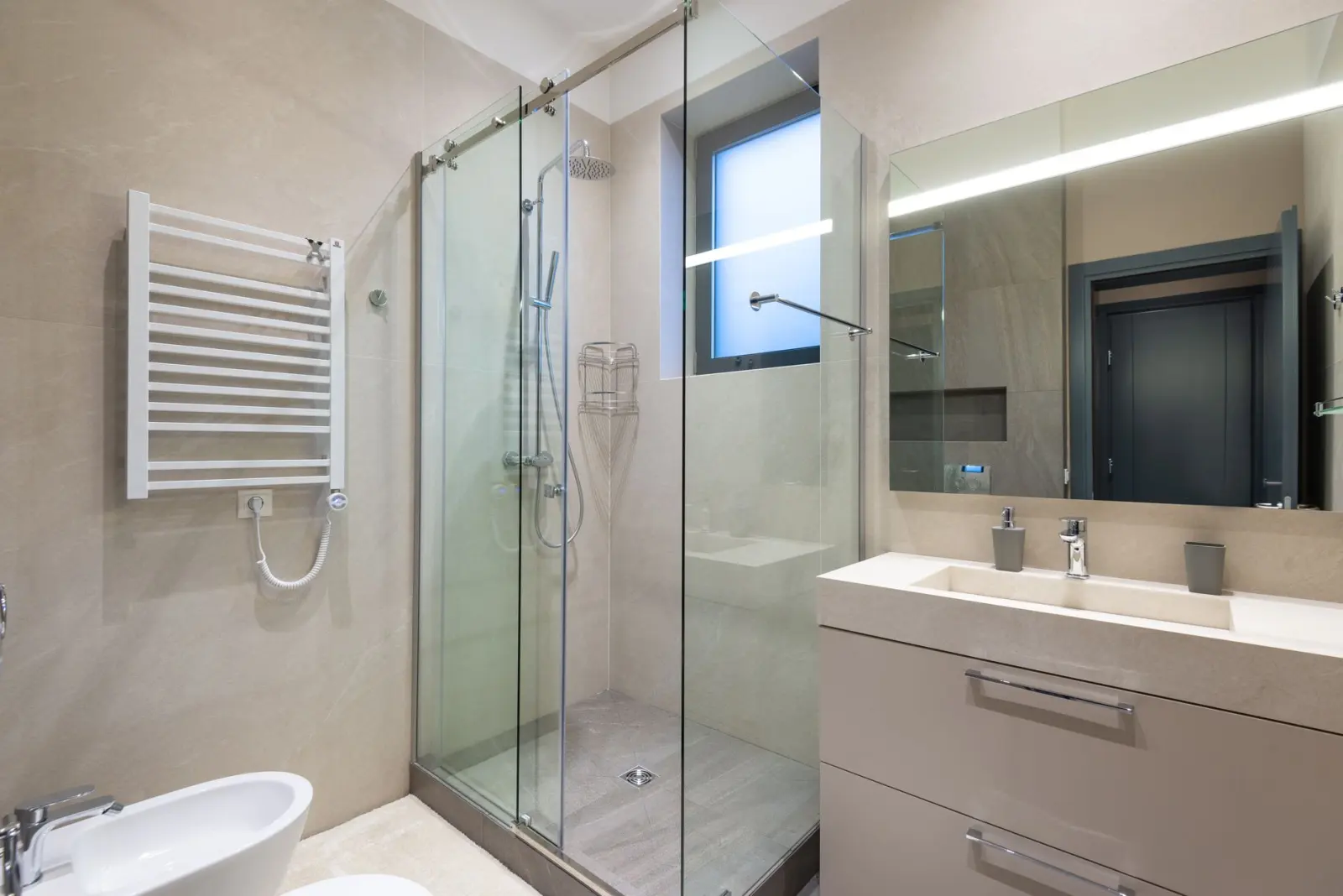
If you own a home in Prince George's County and you're planning a bathroom remodel, the permit process is one of the parts homeowners worry about most — and usually for the wrong reasons. It's not complicated, but it is a real step in the timeline, and skipping it (or hiring someone who skips it for you) can cost you far more than the permit fee itself. Here's what actually happens, what triggers a permit, and what to expect if you're converting a tub to a walk-in shower or replacing fixtures in a PG County home.
Does your project even need a permit?
Not every bathroom project requires one. Prince George's County, like most Maryland jurisdictions, generally requires a permit when work touches plumbing, electrical systems, or structural elements — not for purely cosmetic changes. In practice, that means:
- Swapping a vanity, replacing a toilet in place, or re-tiling a floor without moving plumbing usually doesn't trigger a permit.
- Removing a tub and installing a new shower base, moving a drain or supply line, or relocating a shower valve typically does.
- Adding a new electrical circuit for a vent fan, heated floor, or GFCI outlet near the vanity also requires its own permit, separate from the plumbing one.
A tub-to-shower conversion almost always falls into the "needs a permit" category because it involves plumbing work, even when the footprint doesn't change. The amount of work doesn't need to look dramatic for the county to still require a sign-off — it's about what's happening inside the walls and floor, not how the finished bathroom looks.
Who actually pulls the permit
This is the part that trips people up. In Prince George's County, the permit should be pulled by whoever is doing the licensed plumbing or electrical work — not the homeowner, and not an unlicensed crew working under the table. A reputable contractor builds the permit into the project timeline from the start and handles the application themselves, because they're the one whose license is on the line if the work doesn't pass inspection.
If a contractor tells you permits are "optional" for this kind of job, or that they'll "just skip it since it's a small bathroom," that's a sign to keep looking. Unpermitted plumbing work can surface later as a problem during a home sale, a homeowners insurance claim, or a future remodel — and at that point, fixing it costs a lot more than the permit would have.
What the inspection process actually looks like
Once a permit is issued, PG County typically requires at least one inspection before the work is closed out — sometimes more, depending on the scope:
Rough-in inspection
This happens after the old tub or shower is removed and new plumbing is run, but before any surround, wall panels, or tile go up. The inspector is checking that drain lines, supply lines, and venting meet code before everything gets covered up. This is also the point where any hidden issues behind the old tub — old galvanized pipe, water damage, or subfloor rot — usually get discovered, since the wall is open and the inspector is looking directly at it.
Final inspection
After the new shower base, surround, and fixtures are installed and functioning, a final inspection confirms everything is properly connected, sealed, and up to code. This is also typically when any electrical work (a new GFCI outlet or vent fan circuit) gets signed off.
Scheduling these inspections is the contractor's job, not yours, but it's worth asking up front how they handle it and roughly how much lead time the county needs between scheduling and the inspector actually showing up. That timing is one of the bigger variables in how long a PG County remodel takes from start to finish.
What slows the process down in practice
The permit application itself is rarely the bottleneck. What actually adds time is usually one of a few things:
- Inspector scheduling backlogs, which fluctuate by season and by how busy the county's permitting office is
- Failed rough-in inspections because something wasn't accessible or wasn't installed to the exact spec the inspector expects
- Older homes in established PG County neighborhoods — Hyattsville, Laurel, and similar areas — where plumbing behind the tub is decades old and needs more than a straight swap to bring up to code
None of this is a reason to avoid the process — it's a reason to build a realistic buffer into your schedule and work with a contractor who's pulled permits in this specific county before and knows what the local inspectors look for.
Why this matters more for some projects than others
If you're doing a full gut renovation with new tile, a reconfigured layout, and multiple fixtures, the permit and inspection process is just one piece of a longer project. But for a walk-in shower conversion — where the whole appeal is often a faster, less disruptive remodel than a full tile job — the permit timeline is a bigger share of the total project length. That's worth asking about directly when you're comparing quotes: how long does the contractor expect the permit and inspection steps to take in your specific jurisdiction, separate from the installation itself.
Homeowners in Laurel and other PG County communities sometimes assume the permit step will be identical to what a neighbor in a different county experienced. It usually isn't — each Maryland jurisdiction runs its own permitting office with its own scheduling patterns and inspection checklists, so experience in one county doesn't automatically transfer to another.
What to ask before you sign a contract
A few direct questions will tell you a lot about whether a contractor actually handles PG County permits correctly:
- Will you pull the permit yourselves, and is that included in the quoted price?
- How many inspections does this specific project typically require?
- What's your average turnaround time for scheduling an inspection with Prince George's County right now?
- Have you worked on homes in this specific neighborhood or one like it before?
A contractor who's done this work in the county before will answer these without hesitation, because they've already been through the process repeatedly. Vague or dismissive answers are worth treating as a warning sign, not a minor detail.
Ready to see what a new bathroom could look like in your home? Schedule your free in-home consultation and get a locked-in quote — no pressure, no obligation.