Tub-to-Shower Conversions in Columbia and Howard County: What Homeowners Should Know
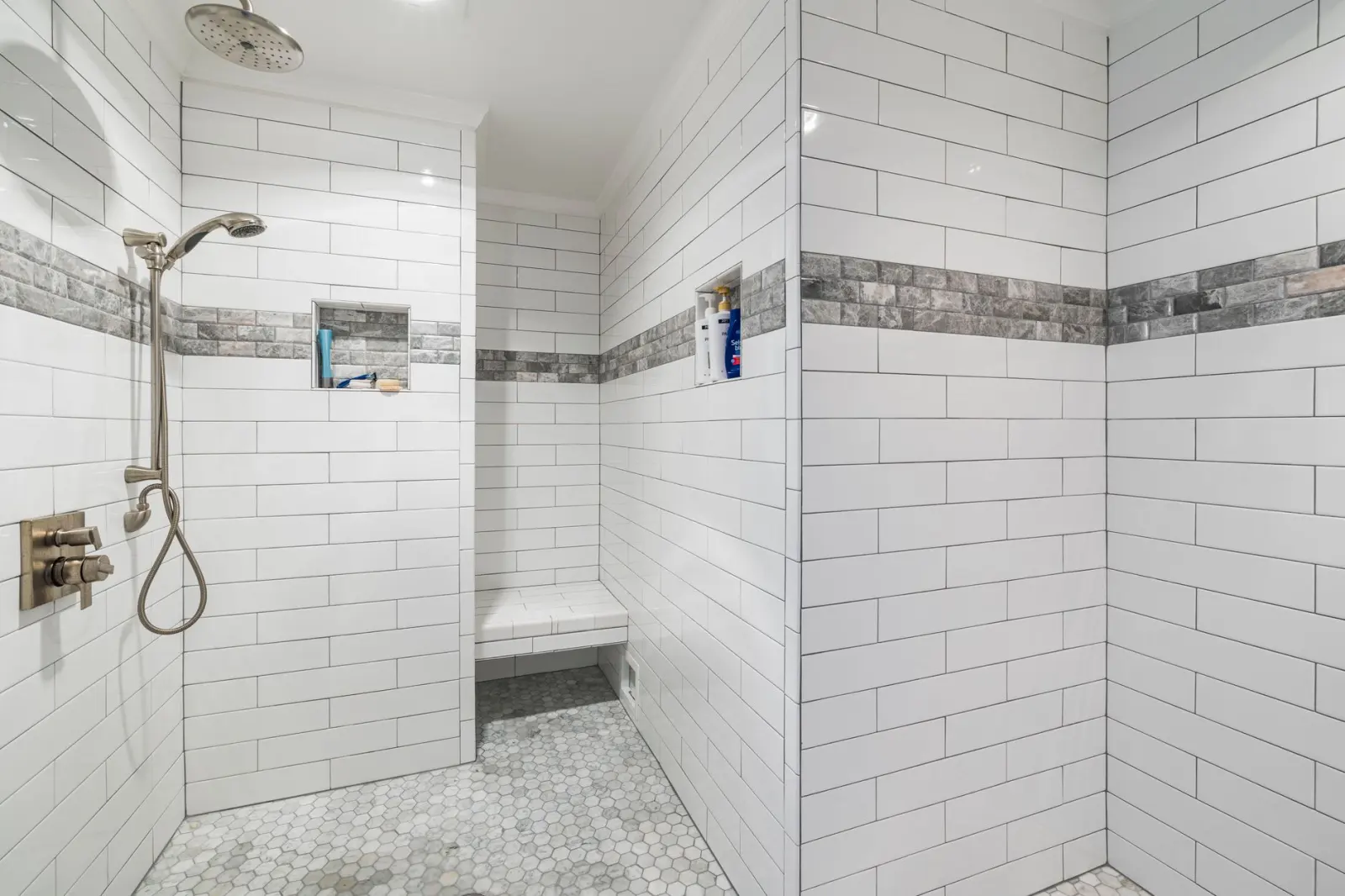
Columbia and the rest of Howard County have a mix of housing stock that makes bathroom remodeling a little different from county to county. You've got 1970s and '80s townhomes and split-levels from the original village neighborhoods, newer construction out toward Clarksville and River Hill, and a good number of condos and attached homes with shared walls and tighter plumbing chases. A tub-to-shower conversion that goes smoothly in one of these houses can run into a very different set of questions in another, and it helps to know which situation you're in before a contractor ever sets foot in your bathroom.
What makes Howard County bathrooms different
A lot of Columbia's original villages — Wilde Lake, Oakland Mills, Long Reach, Owen Brown — were built with fairly standard tub/shower combo units, often fiberglass one-piece inserts that were never meant to be repaired, just replaced whole. By now, many of those original units are 40-plus years old. The fiberglass has usually held up fine structurally, but the caulk and seals around it have been re-done more than once, and the subfloor underneath has had decades to pick up moisture nobody could see.
Newer Howard County construction, especially in neighborhoods built since the early 2000s, tends to have tiled tub surrounds instead of one-piece inserts. Tile holds up well, but it isn't maintenance-free, and a tiled tub surround that's 15-20 years old is often due for attention around the same time homeowners start thinking about a tub-to-shower conversion anyway.
Townhomes and condos: the plumbing chase problem
A big share of Columbia's housing is attached — townhomes, duplexes, and condos sharing walls and sometimes a plumbing stack with the unit next door. That changes a few things about a conversion:
- Shutoff access can be limited. In some attached layouts, the shutoff valves for a bathroom aren't isolated to just that unit, so a contractor needs to know ahead of time whether work will affect a shared line.
- Space behind the wall is tighter. Townhome bathrooms were often built to fit a standard tub footprint exactly, with little extra room in the wall cavity. Running a new drain line or repositioning a shower valve can mean working in a tighter space than a detached single-family home would allow.
- HOA or condo association rules may apply. Plenty of Columbia communities have architectural guidelines or require notice before interior plumbing work, even when the work is entirely inside your own unit. It's worth a quick check of your HOA documents before scheduling anything.
None of this makes a conversion harder to do well — it just means the planning conversation needs to happen before demo day, not after.
What a conversion actually involves
Removing the tub without guessing at what's behind it
The tub itself usually comes out in one piece or in sections, but what matters more is what's left exposed once it's gone: the subfloor, the framing, and the plumbing connections. In an older Columbia home, this is the point where a soft spot in the subfloor or an outdated shutoff valve shows up — not because anything was done wrong originally, but because decades of normal use and small leaks add up.
Building the new shower base and surround
Once the space is confirmed solid (or repaired, if it wasn't), the new shower base goes in along with wall panels or tile. Acrylic and solid-surface wall systems are popular in Howard County conversions because they install faster and don't need grout lines that have to be maintained, but tile is still a reasonable choice for homeowners who want a specific look and are comfortable with the upkeep.
Fixtures, glass, and finishing details
The last stage is the part most homeowners actually picture when they think "new shower" — the door or curtain, the shower head and controls, grab bars if you're adding them, and any niche or shelf built into the wall. This is also where a conversion starts to look less like a repair and more like an upgrade.
How long it takes
A standard tub-to-shower conversion in a Columbia or Howard County home with no major surprises behind the wall typically moves at a predictable pace once work starts, since the footprint usually doesn't change — you're replacing what's there, not reconfiguring the room. Attached homes with tighter access or older plumbing that needs updating will run longer, simply because there's more to address before the new shower goes in. A contractor who's actually seen the bathroom can give you a realistic window; be skeptical of anyone quoting a firm timeline over the phone without having looked at it.
Financing and planning ahead
A tub-to-shower conversion is a meaningful investment, and most homeowners don't pay for it outright. If cost is the thing holding you back from getting the bathroom you actually want to use every day, it's worth looking at the financing options available before you rule a conversion out — a lot of Howard County homeowners find the monthly payment is a lot more manageable than the total project cost makes it look at first glance.
It also helps to walk through how the remodeling process works from first visit to final walkthrough, so you know what to expect at each stage and aren't caught off guard by anything along the way.
Getting started in Columbia or Howard County
If you're in Columbia, Ellicott City, Clarksville, or anywhere else in Howard County and you're tired of stepping over a tub wall every day, a conversion is usually more straightforward than people expect — especially once someone's actually looked at what's behind your tub rather than guessing from a phone estimate. Nearby homeowners in Ellicott City and Clarksville run into a lot of the same housing-age questions, and the right approach usually comes down to what's actually in your walls, not just what style of shower you want.
Ready to see what a new shower could look like in your home? Schedule your free in-home consultation and get a locked-in quote — no pressure, no obligation.