Remodeling a Bathroom in an Annapolis Historic District: What to Expect
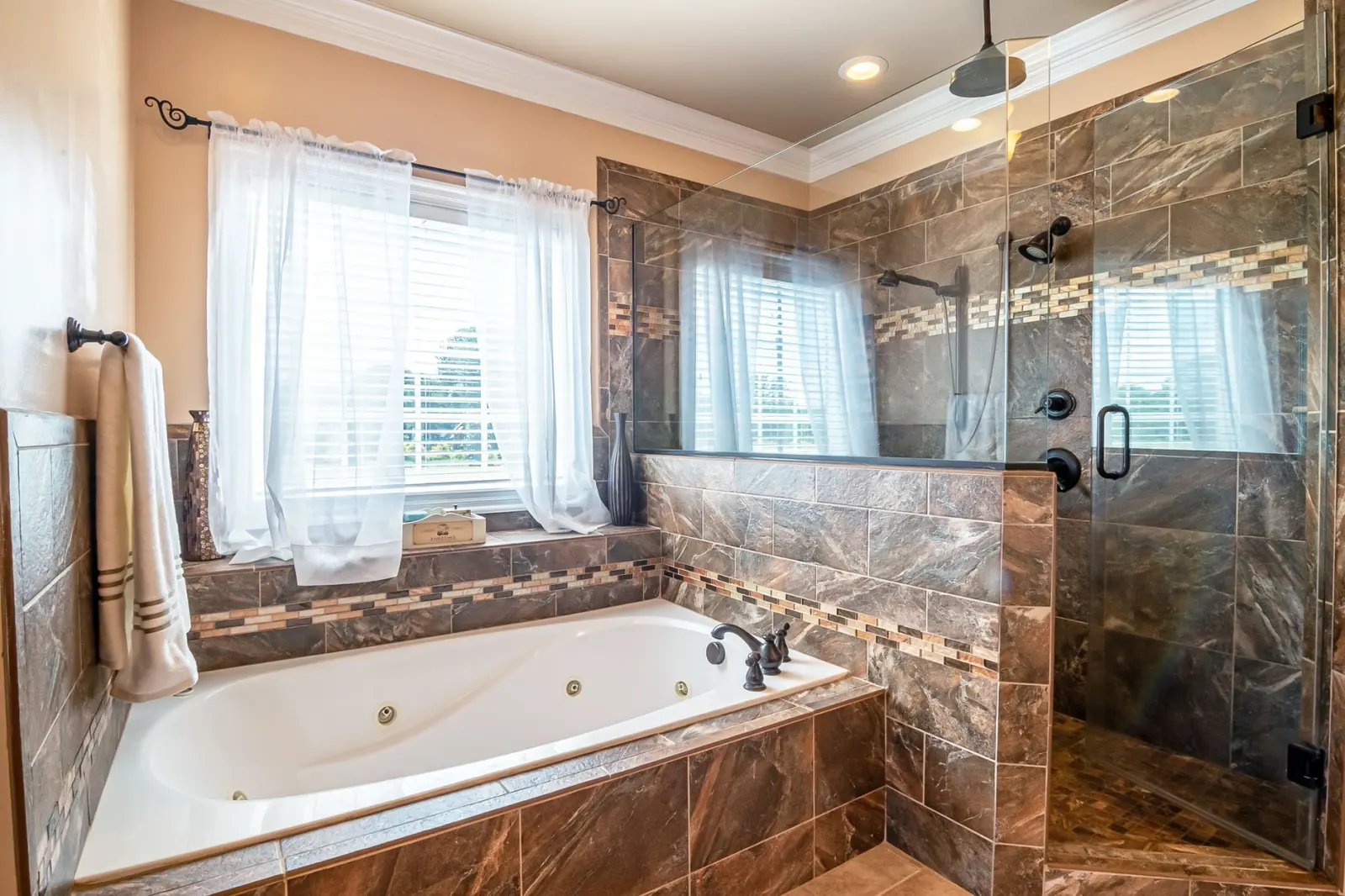
If your home sits inside Annapolis's historic district, a bathroom remodel comes with a few extra steps that homeowners in newer Maryland subdivisions never have to think about. None of it should scare you off the project — it just means the planning phase looks a little different, and knowing what's coming ahead of time keeps the whole thing from stalling out.
What "historic district" actually restricts
Annapolis's historic preservation rules focus almost entirely on what's visible from the street — exterior materials, window shapes, roofline changes, additions. A bathroom remodel that stays inside the existing footprint and doesn't touch exterior walls or windows typically doesn't trigger a historic review at all. Where it gets more involved is when a project needs to add or resize a window for ventilation, or when plumbing work requires a vent stack change that's visible from outside. Those cases usually need a straightforward sign-off rather than a lengthy hearing, but it's still a step that a newer-construction remodel in, say, Annapolis's outer neighborhoods wouldn't need.
The bigger factor is usually the house itself, not the district
In practice, what slows down a historic-home bathroom project is rarely the preservation paperwork — it's what's actually inside the walls. Homes in this part of Annapolis often have:
- Plaster-and-lath walls instead of drywall, which behave differently when you're cutting in new supply lines or a recessed niche
- Galvanized or early copper plumbing that's due for replacement regardless of what happens to the bathroom above it
- Uneven or settled subfloors that need leveling before a new shower base or acrylic surround will sit correctly
- Knob-and-tube or early electrical runs that may need updating to safely support a GFCI-protected outlet near a vanity
A contractor who's done historic-home work in this area opens the wall expecting to find one or more of these, and builds it into the plan rather than treating it as a surprise mid-project.
Working around plaster instead of fighting it
Plaster walls are more brittle than drywall and don't patch the same way. The practical approach is to keep new cuts as contained as possible — running supply lines through the floor or an accessible chase where possible instead of opening a full wall — and patching plaster sections rather than assuming the whole wall needs to come down. This matters more for a full tile remodel, where more of the wall gets opened up, than for an acrylic tub-to-shower conversion, which is designed around a defined footprint and disturbs less of the surrounding wall to begin with.
What to ask a contractor before signing
For a historic Annapolis property specifically, it's worth asking directly:
- Have they pulled permits for historic-district homes in Anne Arundel County before, and do they know which changes actually require a review versus which don't?
- Do they open the wall and assess the framing/plumbing before finalizing the quote, or does that get priced as a change order if something's found?
- What's their plan for matching or working around plaster, rather than just drywalling over it?
A contractor who's worked in this specific housing stock will have real answers to all three without hesitation. Our own process starts with exactly this kind of in-home assessment before anything is quoted, so surprises behind the wall become part of the plan instead of a mid-project change order.
Ventilation matters more in an older, tighter-built home
Older Annapolis homes were built before modern bathroom exhaust standards existed, and many still have undersized or missing fans. Combine that with the humidity a walk-in shower puts into a smaller, older bathroom, and inadequate ventilation becomes a real mold risk within a year or two of a remodel — not from anything wrong with the new shower itself, just from moisture that has nowhere to go. Upgrading the exhaust fan is a small line item next to the rest of the project and is worth insisting on even if it wasn't originally on your list.
The bottom line for historic-district homeowners
A bathroom remodel in this part of Annapolis is very doable and rarely gets held up by the historic designation itself. The real planning happens around the house's age — the plumbing, the plaster, the ventilation — and a contractor who's done this specific kind of project before will plan for that instead of discovering it mid-demo.
Ready to see what's realistic for your home? Schedule your free in-home consultation and get a locked-in quote — no pressure, no obligation.