How to Prevent Mold and Moisture Damage in Your Maryland Bathroom Remodel
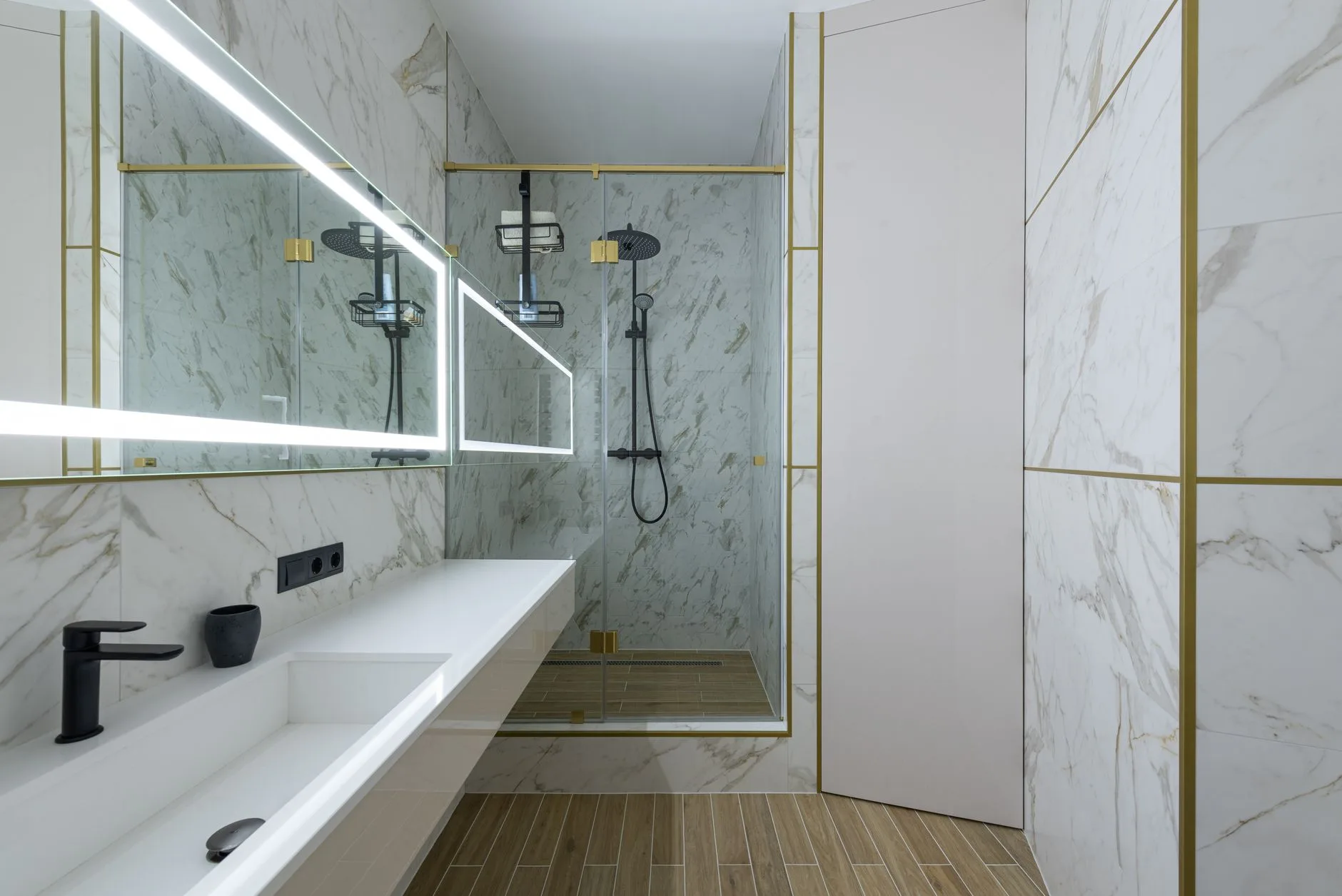
Maryland's humid summers and older housing stock make bathrooms one of the most moisture-stressed rooms in the house. A remodel is the best chance you'll get to fix moisture problems at the source instead of just covering them up — but only if ventilation, materials, and waterproofing are treated as part of the plan and not an afterthought. Here's what actually matters.
Why This Is a Bigger Deal in Maryland Than in Drier Climates
Central Maryland sees long stretches of hot, sticky weather from June through September, and many homes in Anne Arundel, Howard, Baltimore, and Prince George's counties are decades old, with bathroom exhaust systems that were undersized even when new. Combine outdoor humidity with a hot shower running twice a day and an underpowered fan, and you get a bathroom that never fully dries out between uses. That's the environment mold needs — not a leak, just ordinary daily humidity with nowhere to go.
Newer homes aren't automatically safer, either. Tighter building envelopes hold moisture in rather than letting it escape through gaps the way older, leakier construction sometimes did by accident. Either way, moisture control has to be designed in, not assumed.
Start By Checking What's Already Behind the Walls
Before any remodel begins, it's worth understanding what condition the wall cavity is actually in. Soft drywall near the tub or shower, a musty smell that doesn't go away with cleaning, or grout that stays damp long after you've finished showering are all signs that moisture has already gotten past the surface. In some cases the subfloor around the tub or shower base has been absorbing water for years without anyone noticing, since it's hidden under flooring or fixtures.
This is one of the real advantages of a full bathtub replacement or tub-to-shower conversion over a surface-only update: it opens up the opportunity to inspect and address what's underneath, rather than remodeling over a problem that will keep spreading behind the new finish.
Signs Worth Flagging to Your Contractor
- Discoloration or staining on the ceiling below the bathroom, if it's on an upper floor
- Peeling paint or bubbling drywall near the tub, shower, or toilet base
- A persistent musty odor that returns even after deep cleaning
- Grout or caulk that separates from the wall repeatedly, even after resealing
Ventilation Is the Part Most Remodels Get Wrong
A bathroom exhaust fan isn't just a code requirement — it's the single biggest factor in whether moisture actually leaves the room after a shower instead of settling into drywall, cabinetry, and grout. Two things tend to go wrong with existing setups: the fan is undersized for the room, or it's vented into the attic instead of straight outside, which just relocates the moisture problem instead of solving it.
During a remodel is the right time to correct both. A properly sized fan, ducted directly to the exterior, combined with a timer or humidity-sensing switch so it keeps running for a while after you leave the room, does more to prevent long-term mold issues than almost any other single change. It's a modest addition to the scope of work with an outsized payoff over the life of the bathroom.
Choosing Materials That Don't Give Moisture Anywhere to Hide
Material choice matters as much as ventilation. Traditional tile relies on grout, and grout is porous — it absorbs water with every shower and needs regular resealing to keep mold from taking hold in the lines. A non-porous acrylic shower surround removes that weak point entirely, since there are no seams for water to work into over time. We've written in more detail about how acrylic compares to tile for long-term maintenance if you're weighing the two.
Beyond the shower or tub surface itself, the waterproofing membrane behind it matters just as much, even though you'll never see it once the remodel is finished. A properly installed moisture barrier keeps water from reaching the wall cavity in the first place, which is what actually prevents the hidden damage described above — not just a nicer-looking surface on top.
Habits That Protect the Investment After the Remodel Is Done
Good materials and ventilation do most of the work, but a few daily habits extend the life of a new bathroom considerably:
- Run the exhaust fan during every shower and for 20–30 minutes afterward
- Squeegee glass shower doors and non-porous surfaces after use to cut down on standing moisture
- Leave the shower door or curtain slightly open between uses so trapped humidity can dissipate
- Check caulk lines once or twice a year and touch up any spots that have started to separate
None of these take more than a minute, and together they make a meaningful difference in how long a remodeled bathroom stays looking and performing like new.
Planning a Remodel With Moisture Control Built In
If you're already noticing signs of moisture damage, or you just want a bathroom that won't have you dealing with the same mold and mildew problems five years from now, the fix isn't a new coat of paint over the old setup. It's addressing ventilation, waterproofing, and surface material together, as part of one plan. That's exactly how we approach every project we take on — you can see how the process works from first visit to finished bathroom on our our process page, and check whether we cover your area on our service areas page.
Ready to see what a new bathroom could look like in your home? Schedule your free in-home consultation and get a locked-in quote — no pressure, no obligation.