How Long Does a Bathroom Remodel Take in Maryland? A Realistic Timeline
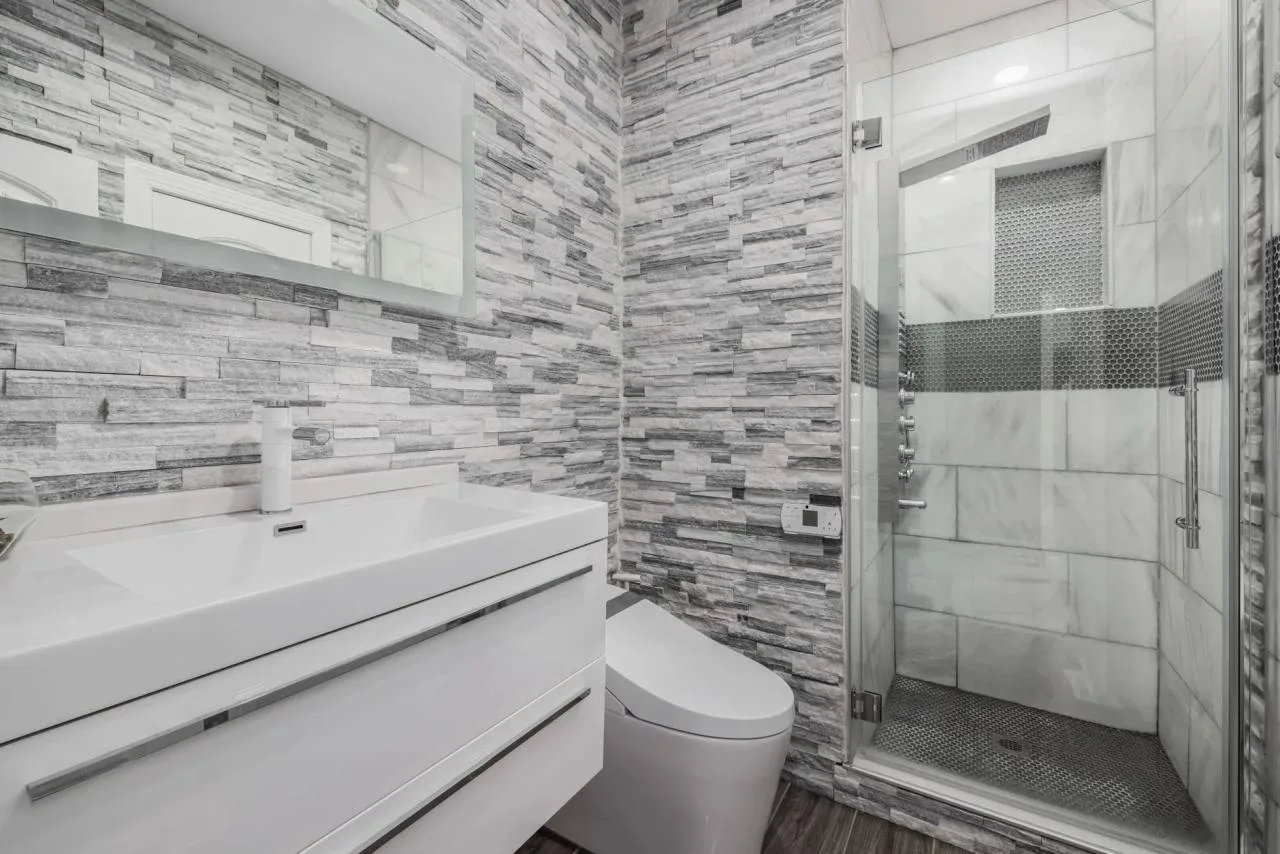
If you've started researching a bathroom remodel, you've probably noticed that most articles are vague about one thing homeowners actually care about: how long the project will take. The honest answer is "it depends" — but it depends on specific, knowable factors, not mystery. Here's what actually determines the timeline for a Maryland bathroom remodel, and how to set realistic expectations before you sign a contract.
Start With What You're Actually Doing
"Bathroom remodel" covers a wide range of projects, and the scope is the single biggest factor in how long yours will take. It helps to think of projects on a spectrum:
- Direct replacement — swapping an old tub or shower for a new one in the same footprint, using the existing plumbing connections.
- Tub-to-shower conversion — removing a bathtub and installing a walk-in shower in its place, still working within the existing plumbing layout.
- Full bathroom renovation — moving fixtures, changing the floor plan, replacing flooring, vanities, and lighting in addition to the tub or shower.
The first two categories, which is where most of our work falls, are generally much faster than a full gut renovation because the plumbing doesn't need to be relocated and the walls and floor structure typically stay intact. A full renovation involves more trades, more inspections, and more opportunities for delays.
Permits: What Maryland Homeowners Should Know
Whether your project needs a permit depends on your county and the scope of work. As a general rule:
When a permit is usually required
Projects that involve moving plumbing lines, altering electrical circuits, or changing the structure of the room typically require a permit and inspection. This is standard practice across Maryland jurisdictions, including Anne Arundel, Howard, Baltimore, and Prince George's counties.
When a permit may not be required
A like-for-like tub or shower replacement — new fixture in the same location, using the same plumbing connections — often falls outside permit requirements, though this varies by jurisdiction and the specific work involved. Local building departments make the final call, not the contractor.
A reputable contractor should be able to tell you upfront whether your specific project needs a permit in your specific county, and should handle the application if one is required. If a contractor tells you "don't worry about permits" without checking your local rules first, that's worth asking more questions about.
The General Stages of a Remodel
Regardless of scope, most bathroom remodels move through the same basic stages. Knowing them helps you understand where your project stands at any given point.
1. In-home consultation and measurement
Someone assesses your existing bathroom, takes measurements, and talks through your goals — walk-in shower versus walk-in tub, grab bars, seating, door swing, and so on. See our full process for what this step actually involves.
2. Product selection and ordering
Once you've chosen your materials — acrylic wall systems, base pans, doors, fixtures — those components are ordered and manufactured or pulled from stock. Custom or made-to-order pieces naturally take longer to arrive than in-stock items.
3. Permit review, if applicable
If your project requires a permit, the local building department needs to review and approve the application before installation can begin. Review times vary by county and by how busy the permitting office is at the time.
4. Installation
The physical work: removing the old fixture, addressing anything found underneath it, and installing the new tub, shower, or surround. Direct replacements and conversions are generally completed in far less time than projects involving relocated plumbing or full-room renovations.
5. Final walkthrough
A last check to confirm everything is sealed, functioning, and finished to spec before the project is considered complete.
What Actually Slows Projects Down
Most delays don't come from the installation itself — they come from surprises. The most common ones we see:
- Hidden water damage. Older tubs and showers, especially ones with cracked grout or failed caulk, often hide water damage or soft subfloor underneath. This isn't visible until the old fixture comes out, and it has to be addressed before the new one goes in.
- Older plumbing. Homes with original galvanized or outdated plumbing sometimes need additional work to connect safely to new fixtures.
- Scope creep. Deciding mid-project to also replace the flooring or move the vanity turns a straightforward replacement into a bigger job.
- Permit backlogs. Some counties process permit applications faster than others, and timing can shift depending on the season and how busy the local building department is.
A contractor who inspects thoroughly before quoting — rather than pricing from a phone call alone — is more likely to catch these issues early instead of mid-project.
Conversions vs. Full Remodels: Why the Gap Is So Large
It's worth repeating because it's the detail most homeowners don't realize until they start getting quotes: a tub-to-shower conversion or direct tub/shower replacement is a fundamentally different project from a full bathroom renovation. Because the plumbing stays in the same location and the room's structure isn't being reconfigured, there are simply fewer steps between "start" and "finish." If your main goal is a safer, easier-to-use shower or tub — not a full room redesign — a conversion is worth asking about specifically, since it can meet that goal without the scope of a complete renovation.
Planning Around Your Household
A few practical scheduling questions worth thinking through before your project starts:
- Is this your only full bathroom? If so, ask your contractor how they handle access during installation.
- Are you working around a specific event — hosting family, selling the home, an accessibility need that's becoming urgent? Say so upfront, since it can affect scheduling priority.
- Do you have flexibility on start date? Contractors' schedules fill up, especially in spring and fall when remodeling demand tends to rise across Maryland.
Getting a Timeline You Can Actually Rely On
The only way to get an accurate timeline is to have your specific bathroom evaluated in person — your county's permit rules, your home's existing plumbing, and the scope of what you want all factor into it differently than they would for your neighbor's project. If you're weighing a tub-to-shower conversion or a bathtub replacement and want a straight answer about what it would involve for your home, schedule your free in-home consultation and we'll walk you through what to expect for your specific situation.