Bathroom Remodels in HOA and Condo Communities: What Maryland Homeowners Should Check First
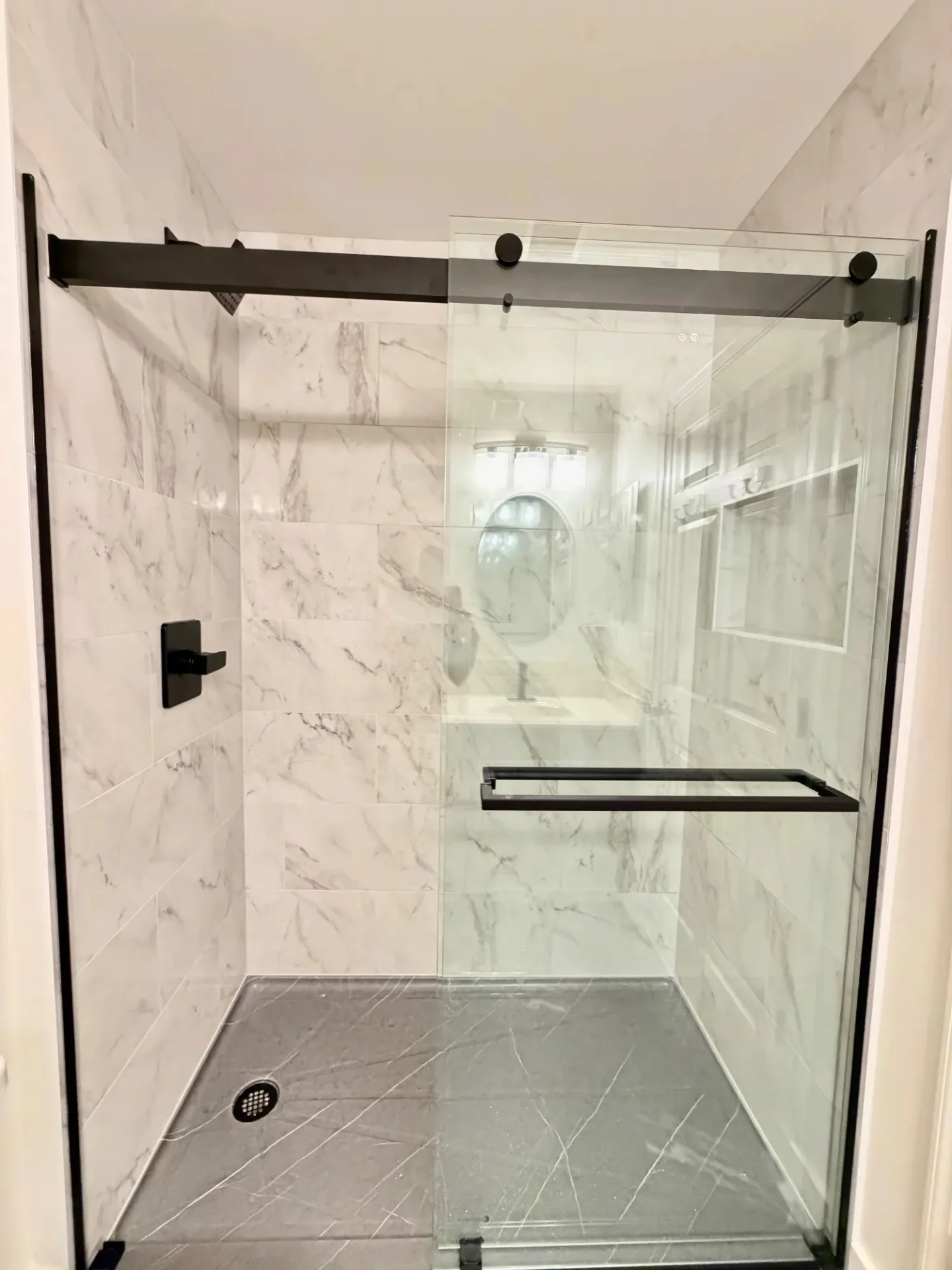
If you live in a townhome, condo, or planned community in places like Columbia or Clarksville, a bathroom remodel involves more than picking tile and fixtures. Many Howard County and Anne Arundel County communities are governed by a homeowners association or condo board, and those groups can have rules that affect how, when, and even whether certain remodeling work can happen. Most of the time a tub-to-shower conversion or shower replacement sails through without issue — but knowing what to check before your crew shows up saves you from a delayed start date or an awkward conversation with your board.
Why HOA and condo rules matter for a bathroom remodel
HOAs generally exist to regulate anything visible from the outside of your home — paint colors, fencing, landscaping, exterior fixtures. A bathroom remodel is interior work, so in a single-family HOA neighborhood it usually doesn't require board approval at all. Where things get more involved is in attached housing: townhomes with shared walls, and condos where plumbing, venting, and even some interior walls are considered part of the building's shared systems rather than your private unit.
The distinction matters because it determines whether your remodel is purely between you and your contractor, or whether it also needs a sign-off from a board or management company before work begins.
What HOAs typically do — and don't — regulate
In most single-family-home HOA communities, a bathroom remodel is treated like any other interior renovation: no approval needed, because nothing about the exterior of the home changes. A few things can trigger a review even in a detached home, though:
- Adding or relocating a plumbing vent stack that changes the roofline
- Widening a window for a new tub or shower enclosure
- Any exterior venting changes for a new exhaust fan
- Dumpster or portable storage placement in the driveway or street during the project
If your project is a straightforward tub-to-shower conversion or shower replacement using existing plumbing and venting, none of this typically applies. It's still worth a quick read of your HOA's architectural guidelines or a short email to your management company before your start date is locked in, just so there are no surprises.
Condos and shared plumbing walls
Condominiums are a different situation. In a condo building, the plumbing stack that serves your bathroom often runs through a wall shared with the unit next door or the unit below, and that stack is frequently classified as a "common element" owned by the association rather than by you individually. That means work that touches the stack itself — as opposed to work inside your own walls — may need board approval, a scheduled shutoff window that's coordinated with other affected units, or even a licensed plumber who submits paperwork to the association.
This is one of the first things worth clarifying with your condo board or property manager before scheduling: is the remodel confined entirely to your unit's interior, or does it touch a shared riser, vent stack, or exterior wall? A tub-to-shower conversion that reuses the existing drain and supply lines almost always stays on the "your unit only" side of that line, which keeps the process simple.
Certificates of insurance
Most condo associations and many HOAs with attached housing will ask for a certificate of insurance from your contractor before work begins, naming the association as an additional insured. This is standard paperwork for any licensed, insured remodeling company and typically takes a day or two to produce — but it's worth requesting early so it doesn't hold up your start date.
Work hours, noise, and access rules
Attached communities often have specific rules about permitted work hours (commonly something like 8am to 6pm on weekdays, with restrictions on weekends) to limit noise disruption to neighbors sharing a wall or floor. Some condo buildings also require advance notice to neighbors, reserved elevator time for moving materials and debris, or a designated loading dock or entrance for contractors. None of this is unusual, but it's information your contractor needs before the first day of demolition, not after.
If you're not sure what your community requires, your HOA or condo bylaws documents (usually available through your management company's resident portal) will spell out the specific rules for renovation work. A quick call to the management company is often faster than digging through the documents yourself.
Getting your project approved without delays
The communities where this comes up most in our experience are larger planned neighborhoods and townhome clusters around Columbia and Clarksville, where HOA and condo governance is common and well established. A few steps make the approval process, when one is needed, go smoothly:
- Confirm whether your specific project (tub-to-shower conversion, shower replacement, or a full accessible bathroom remodel) touches any shared plumbing, venting, or exterior elements.
- Request your contractor's certificate of insurance early, since many boards want this on file before scheduling any shutoffs.
- Ask about work-hour restrictions and any required notice to neighbors so your contractor can plan the schedule around them.
- Get any required approval in writing, even if it's just a confirmation email, so there's no ambiguity later.
This is part of why a clear intake and scheduling process matters as much as the installation itself — our process includes confirming these kinds of site-specific details up front, before a crew is ever scheduled, so community rules don't turn into last-minute delays.
The bottom line
For the large majority of bathroom remodels in Maryland HOA neighborhoods, board approval simply isn't part of the process — it's interior work, and interior work isn't what HOAs regulate. Condos are more likely to have a step to check, mainly around shared plumbing and building-wide scheduling. Either way, a five-minute conversation with your management company before your project is scheduled is enough to know exactly what, if anything, you need to line up.
Ready to see what a new bathroom could look like in your home? Schedule your free in-home consultation and get a locked-in quote — no pressure, no obligation.